
Maximizing ROI with AI: A Business Analyst's Guide


Understanding the Role of AI in Business
Artificial Intelligence (AI) is transforming the business landscape by offering unprecedented opportunities to enhance efficiency and drive growth. For business analysts, leveraging AI means diving into a world of insights and automation that can significantly enhance decision-making processes. But how can businesses ensure they are maximizing their return on investment (ROI) with AI?
The key lies in understanding the various applications of AI and how they align with business objectives. From predictive analytics to customer service automation, AI can streamline operations and provide valuable insights. However, the successful implementation of AI requires a strategic approach that aligns with the company's goals.

Identifying Key Areas for AI Implementation
Before diving into AI adoption, it is crucial to identify the areas where AI can make the most impact. Business analysts should focus on tasks that are repetitive, data-intensive, or require real-time analysis. Common areas include:
- Customer support and service optimization
- Data analysis and insights generation
- Supply chain and inventory management
- Marketing and sales forecasting
By focusing on these areas, businesses can effectively utilize AI to reduce costs, improve efficiency, and enhance customer satisfaction.
Setting Clear Objectives and Metrics
Once potential areas for AI implementation are identified, setting clear objectives and metrics is essential. Objectives should align with the overall business strategy and be specific, measurable, achievable, relevant, and time-bound (SMART). This ensures that AI projects are not only successful but also contribute to the broader goals of the organization.
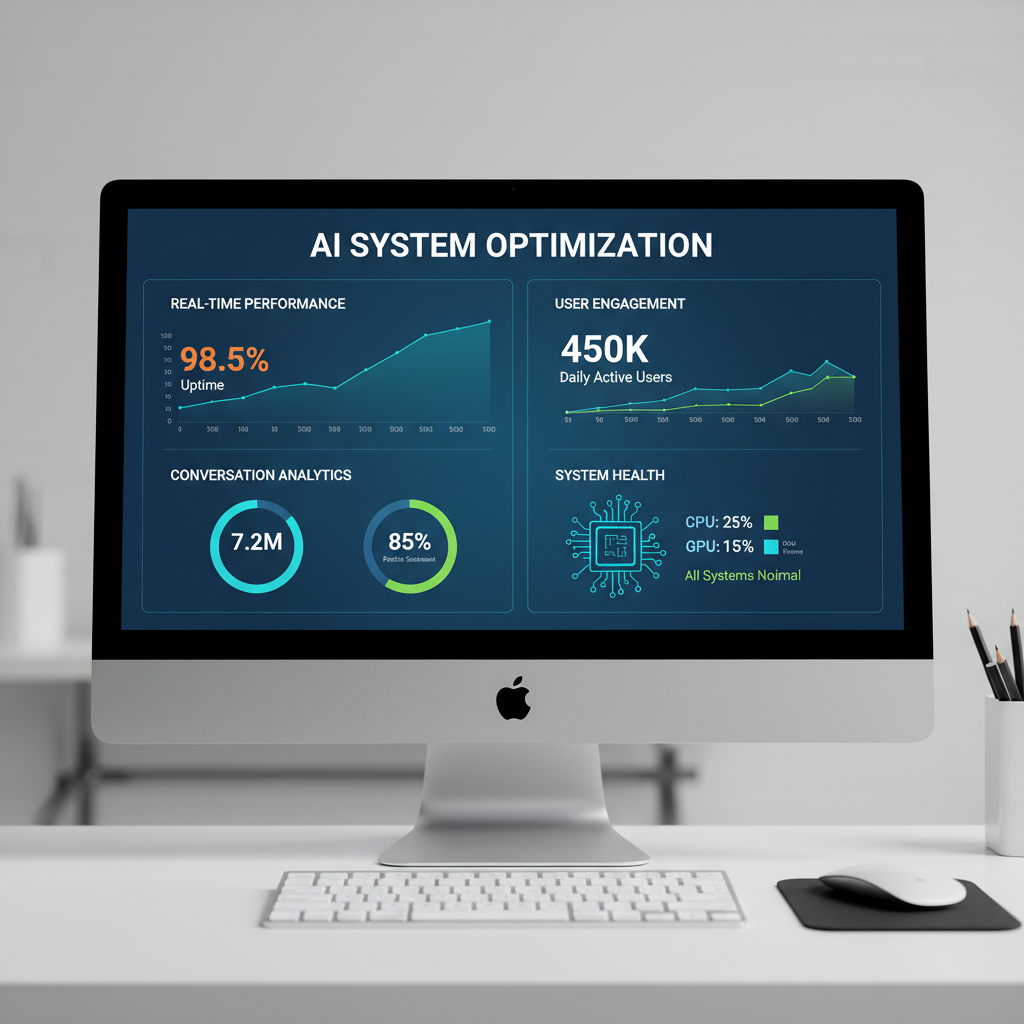
Metrics such as cost savings, time efficiency, and customer satisfaction can provide valuable insights into the effectiveness of AI initiatives. Regular monitoring and evaluation are necessary to ensure that AI projects are delivering the desired outcomes.
Ensuring Data Quality and Accessibility
For AI to be effective, high-quality data is a must. Business analysts need to ensure that data is accurate, relevant, and accessible. This involves cleaning and organizing data, implementing robust data governance practices, and employing the right tools for data management.
Accessibility is also crucial. Teams across the organization should have access to the data they need, fostering a data-driven culture that supports informed decision-making. Investing in data infrastructure can significantly enhance the effectiveness of AI solutions.
Building the Right Team and Skills
Implementing AI requires a skilled team that understands both the technical aspects and the business context. Business analysts should work closely with data scientists, IT professionals, and domain experts to ensure successful AI deployment.
Training and development are key to building the necessary skills within the organization. Offering workshops, courses, and hands-on projects can prepare teams to handle AI technologies effectively.

Managing Change and Adoption
Adopting AI is not just about technology; it's also about change management. Business analysts should focus on fostering a culture of innovation and openness to change. This includes clear communication of the benefits of AI, involving stakeholders in the process, and addressing any concerns early on.
Encouraging experimentation and learning from failures can also promote a positive attitude towards AI adoption, ensuring that the organization remains agile and responsive to new opportunities.
Continuous Optimization and Feedback
Maximizing ROI with AI is an ongoing process. Continuous optimization based on feedback and evolving business needs is essential for sustained success. Regularly revisiting and refining AI strategies ensures that they remain aligned with business goals.
Feedback loops, performance tracking, and iterative improvements can help in adapting AI solutions to changing market conditions, ensuring they continue to deliver value over time.